Aloe vera
Aloe vera, formerly Aloe barbadensis
Also known as: aloe, true aloe, Barbados aloe, medicinal aloe
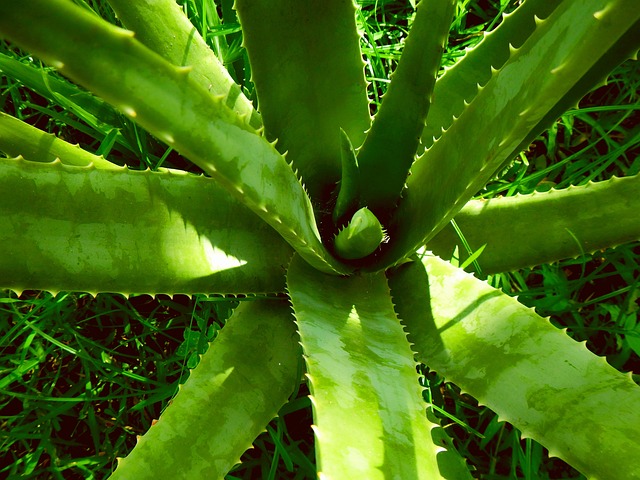
How do you care for an Aloe vera?
Light: Full sun to partial shade: the sunniest window you have. Water: Let the soil dry completely between waterings; water less in winter. It is toxic to cats and dogs, so keep it out of their reach.
About Aloe vera
Aloe vera is a rosette-forming succulent native to the Arabian Peninsula, grown indoors for its thick, gel-filled leaves. NC State Extension recommends full sun to partial shade, a very well-drained succulent mix in a pot with several drainage holes (clay is best), and letting the soil dry completely between waterings. It is toxic to cats and dogs.
Aloe vera quick facts
- Botanical name
- Aloe vera, formerly Aloe barbadensis
- Family
- Asphodelaceae
- Native to
- Arabian Peninsula
- Light
- Full sun to partial shade: the sunniest window you have.
- Water
- Let the soil dry completely between waterings; water less in winter.
- Pot
- Several drainage holes; clay is best.
- Size
- 30–60 cm (1–2 ft) tall; spreads by offsets.
- Flowers
- Plants at least three years old can send up orange to yellow tubular flowers.
- Propagation
- Division of offsets.
- Cats and dogs
- Toxic. Toxic to dogs and cats. The ASPCA lists saponins and anthraquinones, causing vomiting, lethargy and diarrhea; it notes the gel itself is considered edible. Source: ASPCA
Sources: NC State Extension: Aloe vera; ASPCA: Aloe
Aloe Vera care at a glance
- Light
- Bright indirect. Wants bright, indirect light — sensitive to both extremes. Too much direct sun causes burns, too little causes stretching. Grow lights: Thrives under artificial grow lights (LED or fluorescent, 10-12 hours/day). A great option if your space lacks natural light.
- Watering
- Water when the top 1-2 inches of soil feel dry. Adjust with the seasons — less in winter, more in summer.
- Humidity
- Loves higher humidity (60%+). If your air is dry, group it with other plants, use a pebble tray, or run a humidifier nearby.
- Temperature
- Sensitive to cold — keep above 55°F (13°C). Avoid placing near drafty windows or exterior doors in winter.
- Soil
- Needs well-draining soil — add perlite or orchid bark to a standard potting mix. Good drainage is critical to prevent root rot.
- Pets
- Toxic to dogs and cats. The ASPCA lists saponins and anthraquinones, causing vomiting, lethargy and diarrhea; it notes the gel itself is considered edible.
- Difficulty
- Moderate
Common Aloe vera problems, answered
-
Aloe Vera Repotting Stress: Normal Adjustment or Rot?
A freshly repotted aloe that leans, looks dull, or pauses growth is usually adjusting to disturbed roots. Soft, translucent leaf bases, a mushy stem, or brown roots in wet mix point to rot, which needs action rather than waiting.
-
Etiolated Aloe Vera: Fix Stretched, Pale, Floppy Growth
A stretched aloe with pale, thin, floppy leaves that open out or lean toward a window is short of light. The stretched leaves will not shrink back; recovery shows as compact, firmer new growth from the center.
-
Harvesting Aloe Vera Gel From a Houseplant Safely
You can cut a leaf from a houseplant aloe for its clear inner gel, but the yellow latex just under the skin is a different substance: it irritates skin and acts as a strong laxative if swallowed. Public sources do not give a safe home shelf life for cut gel, so cut only what you will use.
-
Aloe Vera Brown Tips: Thirst, Cold, Sun or Root Rot?
Brown, dry tips on aloe vera most often follow a long dry spell, a cold draft by the window, or a sudden move into strong sun. Brown tips on leaves that are also soft or collapsing while the mix is wet point to root rot instead. A dried-out lower leaf now and then is normal.
-
Aloe Vera Propagation: How to Separate and Pot Up Pups
Aloe vera is propagated from its offsets, the pups that grow around the base of the parent. Separate a pup that has its own roots, pot it in a coarse, fast-draining mix and water lightly while it settles.
-
How to Prevent Mealybugs on Aloe Vera (and Clear Them)
Mealybugs reach an aloe on another infested plant and then crawl to neighbours. Prevention is mostly about what you bring home and how you check it: quarantine new plants, inspect the leaf bases and roots, and keep pots from touching.
-
Aloe Vera Yellow Leaves: Overwatering, Thirst, Sun or Age?
Yellow aloe leaves that are also soft or mushy, on mix that stays damp, point to overwatering and root rot. Thin, shrivelled yellow leaves on dry mix point to thirst, and a dried lower leaf now and then is normal. Yellow sap oozing from a cut leaf is latex, a normal part of the plant, not a symptom.
Questions about Aloe vera
Is Aloe vera toxic to cats and dogs?
Toxic to dogs and cats. The ASPCA lists saponins and anthraquinones, causing vomiting, lethargy and diarrhea; it notes the gel itself is considered edible.
Get the Plant Mortality Checklist
Check moisture, roots and recent care changes before choosing a treatment. A practical checklist to keep.
Your checklist is ready!
We also sent it to your inbox. Check your email for the full download.
Open the ChecklistFree. No spam. Unsubscribe anytime.