Begonia
Begonia
Also known as: rex begonia, cane begonia, angel wing begonia, wax begonia, Begonia maculata
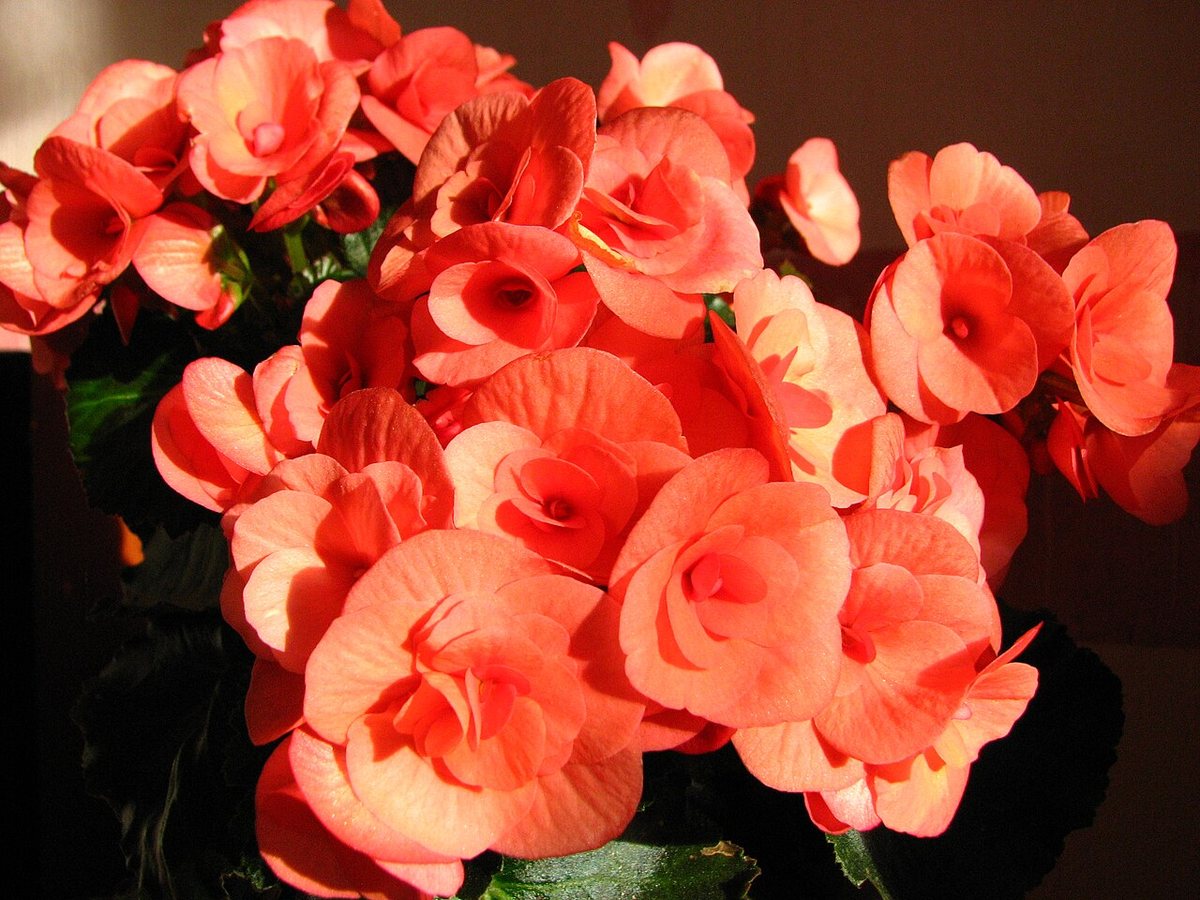

How do you care for a Begonia?
Light: Partial shade or bright, indirect light. Cane and flowering types bloom best with some direct morning sun; rex and other foliage types need shelter from direct sun. Water: Keep evenly moist, letting the surface dry only slightly, and water less in winter. Avoid waterlogged soil and never leave the pot in a saucer of water. It is toxic to cats and dogs, so keep it out of their reach.
About Begonia
Begonia is a genus of more than 2,100 species from the tropics and subtropics of Central and South America, Africa and Asia, and one of the largest genera of flowering plants. Indoor begonias fall into a few groups: cane begonias such as angel wing and B. maculata, rhizomatous begonias including the rex hybrids grown for patterned leaves, and tuberous and semi-tuberous begonias grown mainly for flowers. NC State Extension recommends partial shade, a humid spot, moist but well-drained soil rich in organic matter, and temperatures above 13 °C (55 °F). The ASPCA lists begonias as toxic to cats and dogs.
Begonia quick facts
- Botanical name
- Begonia
- Family
- Begoniaceae (begonia family)
- Native to
- Tropics and subtropics of Central and South America, Africa and Asia
- Light
- Partial shade or bright, indirect light. Cane and flowering types bloom best with some direct morning sun; rex and other foliage types need shelter from direct sun.
- Water
- Keep evenly moist, letting the surface dry only slightly, and water less in winter. Avoid waterlogged soil and never leave the pot in a saucer of water.
- Humidity and temperature
- Humid air, but Clemson Extension advises against misting the leaves. Rex begonias decline below about 75% humidity and suit terrariums. Keep above 13 °C (55 °F).
- Size
- Most 20–60 cm (8 in–2 ft) tall. Unpruned cane begonias can reach 1.8–3 m (6–10 ft).
- Groups
- Cane (angel wing, B. maculata), rhizomatous (B. masoniana, rex hybrids), tuberous and semi-tuberous (B. × hiemalis, sold in flower), and wax begonias.
- Propagation
- Stem cuttings, leaf cuttings (rex and rhizomatous types), division or seed.
- Cats and dogs
- Toxic. Toxic to dogs and cats. The ASPCA lists soluble calcium oxalates, causing vomiting and salivation; the underground parts are the most toxic. Source: ASPCA
Sources: NC State Extension: Begonia; Clemson Extension HGIC: Growing Begonias Indoors; RHS: Begonias as houseplants; ASPCA: Begonia
Begonia care at a glance
- Light
- Bright indirect. Wants bright, indirect light — sensitive to both extremes. Too much direct sun causes burns, too little causes stretching. Grow lights: Thrives under artificial grow lights (LED or fluorescent, 10-12 hours/day). A great option if your space lacks natural light.
- Watering
- Water when the top 1-2 inches of soil feel dry. Adjust with the seasons — less in winter, more in summer.
- Humidity
- Loves higher humidity (60%+). If your air is dry, group it with other plants, use a pebble tray, or run a humidifier nearby.
- Temperature
- Standard room temperature (60-80°F / 15-27°C) is perfect. Avoid cold drafts and sudden temperature swings.
- Soil
- Needs well-draining soil — add perlite or orchid bark to a standard potting mix. Good drainage is critical to prevent root rot.
- Pets
- Toxic to dogs and cats. The ASPCA lists soluble calcium oxalates, causing vomiting and salivation; the underground parts are the most toxic.
- Difficulty
- Moderate
Common Begonia problems, answered
-
Begonia Leaves Curling? Check Water, Humidity, and Roots
Curling begonia leaves usually point to water stress. That can mean a pot that has dried out, or roots damaged by wet mix that can no longer supply the leaves. Cold, salts, pests and powdery mildew are the other things to rule out.
-
Begonia Crispy Leaves: Find the Cause and Stop New Damage
Crispy begonia leaves are dead tissue. The usual causes are dry air, a pot that dried out, too much sun or a sudden move into brighter light, and fertilizer salts. Root rot and leaf diseases can cause brown, dying leaves too, so check the mix before you water.
-
Begonia Powdery Mildew: Does Neem Oil Work, and How to Use It
Neem oil can control mild to moderate powdery mildew on begonias, but only as a labelled product used early and alongside better airflow. It works poorly once mildew is extensive, and begonias can be sensitive to sprays.
-
Begonia Root Rot Treatment: Wet Roots, Low Oxygen, Next Steps
Begonia root rot starts in mix that stays wet. Waterlogged mix cuts the oxygen roots need and favours water moulds such as Pythium, so roots die, and the plant wilts or yellows even though the pot is damp.
-
Why Is My Begonia Dropping Leaves? Check the Type First
Begonias drop leaves after cold, a sudden move, or mix that is kept too wet or allowed to dry out. Which kind of begonia you have matters: tuberous begonias die back after flowering, wax begonias brought indoors shed while they adjust, and rex begonias decline in dry air.
-
Leggy Begonia: Pinch, Cut Back and Fix the Light
Begonias tend to grow leggy, especially cane types like angel wing and wax begonias kept indoors over winter. Low light and heavy feeding make it worse. Regular pinching keeps them bushy, and a firmer cut back resets a plant that is already tall and thin.
-
Begonia Propagation: Match the Method to the Begonia Type
How you propagate a begonia depends on its type. Cane, wax and trailing begonias root from 7.5–10 cm (3–4 in) stem cuttings. Rex and other rhizomatous begonias grow new plants from leaf cuttings or divided rhizomes, and tuberous begonias from cuttings or cut tubers.
Related articles
Questions about Begonia
Is Begonia toxic to cats and dogs?
Toxic to dogs and cats. The ASPCA lists soluble calcium oxalates, causing vomiting and salivation; the underground parts are the most toxic.
Get the Plant Mortality Checklist
Check moisture, roots and recent care changes before choosing a treatment. A practical checklist to keep.
Your checklist is ready!
We also sent it to your inbox. Check your email for the full download.
Open the ChecklistFree. No spam. Unsubscribe anytime.