english ivy
Hedera helix
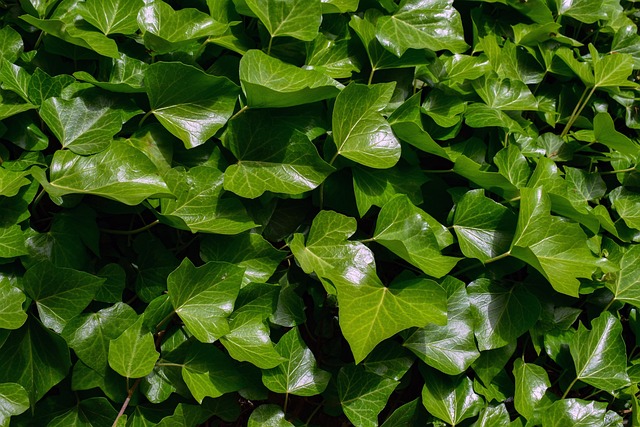
How do you care for english ivy?
Light: Tolerates lower light but grows best in medium to bright indirect light. Can get leggy without enough light. Water: Let the soil dry out significantly between waterings — this plant is very sensitive to overwatering. When in doubt, wait another day. Soil: Needs well-draining soil — add perlite or orchid bark to a standard potting mix. Good drainage is critical to prevent root rot.
About English Ivy
English Ivy (Hedera helix) care guide from the PlantGrail knowledge base. Covers symptom diagnosis, disease treatment, pest control and propagation methods. Compare the symptoms and growing conditions before choosing a care step.
English Ivy care at a glance
- Light
- Medium to bright indirect. Tolerates lower light but grows best in medium to bright indirect light. Can get leggy without enough light. Grow lights: Thrives under artificial grow lights (LED or fluorescent, 10-12 hours/day). A great option if your space lacks natural light.
- Watering
- Let the soil dry out significantly between waterings — this plant is very sensitive to overwatering. When in doubt, wait another day.
- Humidity
- Loves higher humidity (60%+). If your air is dry, group it with other plants, use a pebble tray, or run a humidifier nearby.
- Temperature
- Standard room temperature (60-80°F / 15-27°C) is perfect. Avoid cold drafts and sudden temperature swings.
- Soil
- Needs well-draining soil — add perlite or orchid bark to a standard potting mix. Good drainage is critical to prevent root rot.
- Difficulty
- Intermediate
Common English Ivy problems, answered
-
Spider Mites on English Ivy: Wash, Cool and Humidify
Tiny yellowish speckles on English ivy leaves, a dull or bronzed look and fine webbing between leaves and stems are spider mites. Ivy is one of the houseplants most prone to them, especially in a warm, dry room.
-
Dark Brown Spots on English Ivy: Bacterial or Fungal?
Dark brown to black spots on English ivy that start pale and water-soaked, often with red or yellow margins, point to bacterial leaf spot (Xanthomonas hortorum pv. hederae). Large tan to brown spots with black specks and no red edge suggest a fungal leaf spot. Papery tan blotches without a water-soaked start are usually injury, not infection.
Get the Plant Mortality Checklist
Check moisture, roots and recent care changes before choosing a treatment. A practical checklist to keep.
Your checklist is ready!
We also sent it to your inbox. Check your email for the full download.
Open the ChecklistFree. No spam. Unsubscribe anytime.