hydrangea
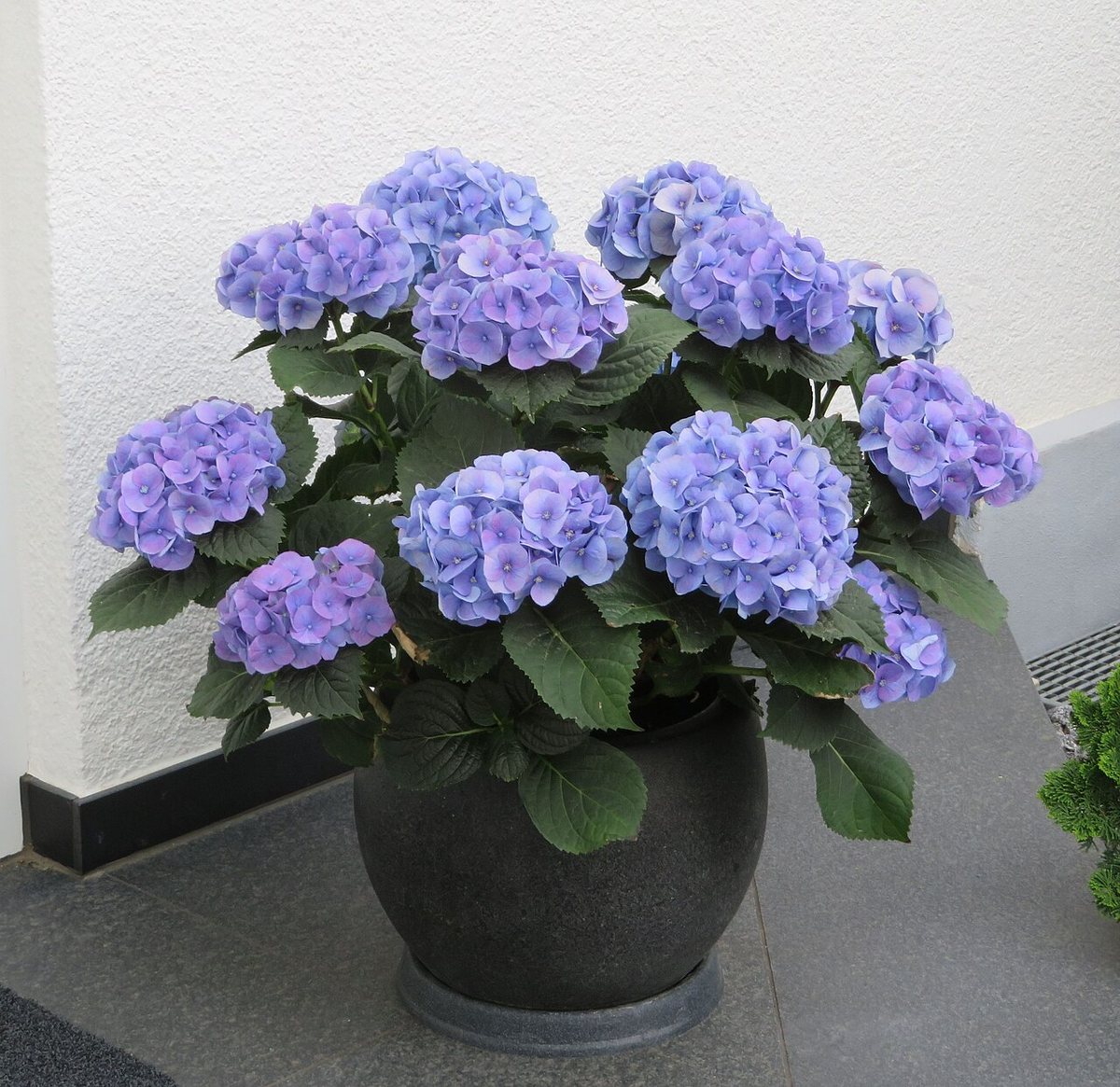

How do you care for hydrangea?
Light: Most comfortable in medium to bright indirect light. Avoid prolonged direct sun exposure. Water: Water when the top 1-2 inches of soil feel dry. Adjust with the seasons — less in winter, more in summer. Soil: Standard well-draining potting mix works well. Add perlite for extra drainage if you tend to overwater.
About Hydrangea
Hydrangea care guide from the PlantGrail knowledge base. Covers symptom diagnosis, disease treatment, pest control, propagation methods and care. Compare the symptoms and growing conditions before choosing a care step.
Hydrangea care at a glance
- Light
- Medium to bright indirect. Most comfortable in medium to bright indirect light. Avoid prolonged direct sun exposure. Grow lights: Thrives under artificial grow lights (LED or fluorescent, 10-12 hours/day). A great option if your space lacks natural light.
- Watering
- Water when the top 1-2 inches of soil feel dry. Adjust with the seasons — less in winter, more in summer.
- Humidity
- Appreciates some humidity but adapts to average home conditions. Brown tips in winter? Your air might be too dry — a light misting helps.
- Temperature
- Sensitive to cold — keep above 55°F (13°C). Avoid placing near drafty windows or exterior doors in winter.
- Soil
- Standard well-draining potting mix works well. Add perlite for extra drainage if you tend to overwater.
- Difficulty
- Moderate
Common Hydrangea problems, answered
-
Hydrangea Wilting in Heat: Midday Droop or Real Drought?
A bigleaf hydrangea that droops on a hot afternoon but stands up again by evening or the next morning is showing heat stress, not thirst. Its big, soft leaves lose water faster than the roots can replace it. If the soil is dry or the plant is still limp in the cool of the morning, it needs water.
-
Hydrangea Brown Spots: Cercospora Leaf Spot and Look-Alikes
Small round spots with grey or tan centres and purple or reddish-brown rims on hydrangea leaves are usually Cercospora leaf spot. It starts on the lowest leaves in wet weather and works upward. It is mostly cosmetic and rarely kills the plant.
-
Spider Mites on Hydrangeas: Spot the Stippling, Then Act
Fine pale freckling on hydrangea leaves, sometimes with silk webbing underneath, is the mark of two-spotted spider mites. They build up fast in hot, dry weather and on plants short of water, in the garden or on a potted hydrangea indoors.
Get the Plant Mortality Checklist
Check moisture, roots and recent care changes before choosing a treatment. A practical checklist to keep.
Your checklist is ready!
We also sent it to your inbox. Check your email for the full download.
Open the ChecklistFree. No spam. Unsubscribe anytime.