Monstera adansonii
Monstera adansonii
Also known as: Swiss cheese vine, Adanson's monstera, five hole plant, Monstera pertusa
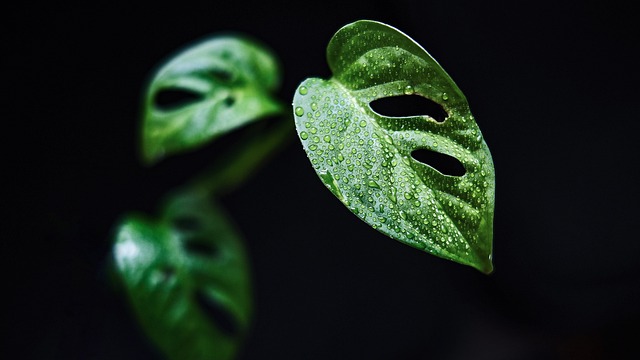
How do you care for a Monstera adansonii?
Light: Bright, indirect light. Direct sun can scorch the leaves. Water: Keep moist but well drained. Water freely in the growing season and sparingly in winter. It is toxic to cats and dogs, so keep it out of their reach.
About Monstera adansonii
Monstera adansonii is a fast-growing climbing aroid from southern Mexico to tropical America, with heart-shaped leaves cut by oval holes between the main veins. It is smaller than Monstera deliciosa: NC State Extension gives 0.9–2.4 m (3–8 ft) indoors on a trellis or moss pole, and the RHS notes it will climb with support or trail. Both recommend bright, indirect light and moderate to high humidity, and the RHS advises watering freely in the growing season and sparingly in winter. It is toxic to cats and dogs.
Monstera adansonii quick facts
- Botanical name
- Monstera adansonii
- Family
- Araceae (arum family)
- Native to
- Southern Mexico to tropical America
- Light
- Bright, indirect light. Direct sun can scorch the leaves.
- Water
- Keep moist but well drained. Water freely in the growing season and sparingly in winter.
- Temperature and humidity
- High humidity. Avoid cold drafts and temperatures below 10 °C (50 °F).
- Support
- Give it a stake, trellis or moss pole to climb, or let it trail.
- Size
- 0.9–2.4 m (3–8 ft) tall and 30–90 cm (1–3 ft) wide indoors with support.
- Propagation
- Stem cuttings.
- Cats and dogs
- Toxic. The ASPCA has no entry for Monstera adansonii. NC State Extension lists it as a problem for cats and dogs if eaten (calcium oxalate crystals), causing inflammation of the mouth and throat, vomiting and drooling; the sap can irritate skin. Source: NC State Extension
Sources: NC State Extension: Monstera adansonii; RHS: Monstera adansonii
Monstera Adansonii care at a glance
- Light
- Bright indirect. Wants bright, indirect light — sensitive to both extremes. Too much direct sun causes burns, too little causes stretching. Grow lights: Thrives under artificial grow lights (LED or fluorescent, 10-12 hours/day). A great option if your space lacks natural light.
- Watering
- Water when the top 1-2 inches of soil feel dry. Adjust with the seasons — less in winter, more in summer.
- Humidity
- Loves higher humidity (60%+). If your air is dry, group it with other plants, use a pebble tray, or run a humidifier nearby.
- Temperature
- Standard room temperature (60-80°F / 15-27°C) is perfect. Avoid cold drafts and sudden temperature swings.
- Soil
- Needs well-draining soil — add perlite or orchid bark to a standard potting mix. Good drainage is critical to prevent root rot.
- Pets
- The ASPCA has no entry for Monstera adansonii. NC State Extension lists it as a problem for cats and dogs if eaten (calcium oxalate crystals), causing inflammation of the mouth and throat, vomiting and drooling; the sap can irritate skin.
- Difficulty
- Moderate
Common Monstera adansonii problems, answered
-
Monstera Adansonii Yellow Leaves: Water, Roots or Light?
Yellow leaves on Monstera adansonii most often follow a root-zone problem: mix kept too wet, or left dry too long. Too little light, cold, and normal shedding of old leaves can also turn leaves yellow. Which leaves changed, and how wet the mix is, separate the causes.
-
Monstera Adansonii Propagation: Node Cuttings in Water or Mix
Monstera adansonii propagates from stem cuttings. A cutting needs at least one node, the bump where a leaf and aerial root grow from the vine. A leaf without a node will not grow into a new plant.
-
Monstera Adansonii Care: Light, Water, Humidity, Support
Monstera adansonii is a fast-growing climbing vine. It does best in bright, indirect light, moist but well-drained mix, warmth, high humidity, and something to climb. It is toxic to people and pets if eaten, and its sap can irritate skin.
-
Monstera Adansonii Thrips: Find Them on the Vine and Treat
Thrips on Monstera adansonii leave silvery or pale-streaked patches, tiny dark droppings and crinkled new leaves. On this fast vine they hide on leaf undersides, inside unfurling leaves, at the many leaf-stalk joints along the stems and in the potting mix.
-
Monstera Adansonii Root Rot: Trim, Repot or Restart
Monstera adansonii root rot follows mix that stays wet, often from water left in the saucer or a pot that is too big. The vine wilts or yellows while the mix is damp, and the roots in the pot turn brown to black and soft. Aerial roots along the stems are normal climbing roots, not a sign of rot.
Questions about Monstera adansonii
Is Monstera adansonii toxic to cats and dogs?
The ASPCA has no entry for Monstera adansonii. NC State Extension lists it as a problem for cats and dogs if eaten (calcium oxalate crystals), causing inflammation of the mouth and throat, vomiting and drooling; the sap can irritate skin.
Get the Plant Mortality Checklist
Check moisture, roots and recent care changes before choosing a treatment. A practical checklist to keep.
Your checklist is ready!
We also sent it to your inbox. Check your email for the full download.
Open the ChecklistFree. No spam. Unsubscribe anytime.