Peperomia
Peperomia
Also known as: radiator plant, baby rubber plant, Peperomia obtusifolia
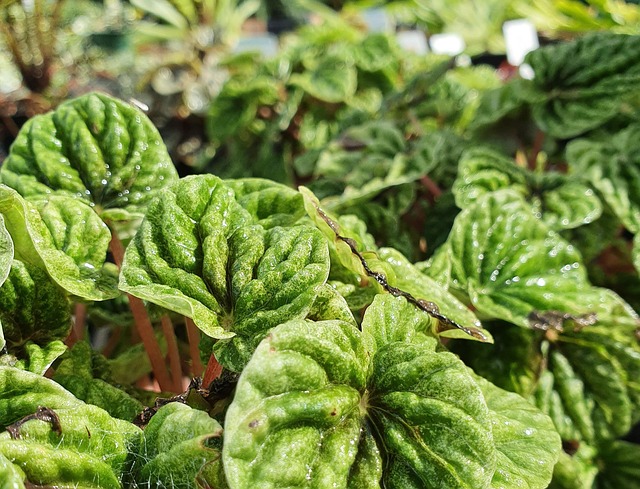
How do you care for a Peperomia?
Light: Bright, indirect light; tolerates low light. Plain green P. obtusifolia tolerates low light for several months. Water: Moist but well-drained. Overwatering causes yellow leaves and root or stem rot. It is non-toxic to cats and dogs.
About Peperomia
Peperomia is a genus of more than 1,000 small, often semi-succulent plants in the black pepper family. Most houseplant species grow 15–30 cm (6–12 in) high. NC State Extension recommends bright, indirect light, a moist but well-drained mix, and avoiding overwatering and cold drafts. The ASPCA lists the common houseplant peperomias as non-toxic to cats and dogs.
Peperomia quick facts
- Botanical name
- Peperomia
- Family
- Piperaceae (pepper family)
- Native to
- Tropical and subtropical Central and South America, Africa, Southeast Asia and Australia
- Light
- Bright, indirect light; tolerates low light. Plain green P. obtusifolia tolerates low light for several months.
- Water
- Moist but well-drained. Overwatering causes yellow leaves and root or stem rot.
- Size
- 15–30 cm (6–12 in) high and wide for most species.
- Common species
- P. obtusifolia (baby rubber plant), P. caperata (emerald ripple), P. argyreia (watermelon peperomia).
- Propagation
- Leaf cuttings, stem cuttings or division.
- Cats and dogs
- Non-toxic. The ASPCA lists baby rubber plant (P. obtusifolia), emerald ripple (P. caperata) and watermelon peperomia (P. argyreia) as non-toxic to dogs and cats. Source: ASPCA
Sources: NC State Extension: Peperomia; NC State Extension: Peperomia obtusifolia; ASPCA: Baby Rubber Plant
Peperomia care at a glance
- Light
- Medium to bright indirect. Tolerates lower light but grows best in medium to bright indirect light. Can get leggy without enough light. Grow lights: Thrives under artificial grow lights (LED or fluorescent, 10-12 hours/day). A great option if your space lacks natural light.
- Watering
- Let the soil dry out significantly between waterings — this plant is very sensitive to overwatering. When in doubt, wait another day.
- Humidity
- Loves higher humidity (60%+). If your air is dry, group it with other plants, use a pebble tray, or run a humidifier nearby.
- Temperature
- Prefers moderate temperatures (60-80°F). Keep away from radiators and intense afternoon sun windows.
- Soil
- Needs well-draining soil — add perlite or orchid bark to a standard potting mix. Good drainage is critical to prevent root rot.
- Pets
- The ASPCA lists baby rubber plant (P. obtusifolia), emerald ripple (P. caperata) and watermelon peperomia (P. argyreia) as non-toxic to dogs and cats.
- Difficulty
- Intermediate
Common Peperomia problems, answered
-
Peperomia Yellow Leaves: Overwatering, Light or Old Age?
Yellow peperomia leaves most often mean the mix is staying too wet. NC State Extension names overwatering as the main cause of yellowing and root rot in peperomia. Low light, cold drafts, a long dry spell or lack of fertilizer can also yellow older leaves.
-
Peperomia Drooping: Root Rot, Stem Rot or Thirst?
A drooping peperomia isn't getting enough water into its leaves and stems. Either the mix has been dry too long, or roots and stems have rotted in wet mix and can't take water up. Wet mix plus drooping points to rot; dry mix and a light pot point to thirst.
-
Peperomia Dropping Leaves (Still Green): Water, Cold or Shock?
A peperomia that drops green leaves with no yellowing has usually had a shock: roots kept too wet, a chill or draft, or a sudden change in light or position. Clemson Extension says an overwatered peperomia drops its leaves. Firm stems and dry mix point instead to a dry spell or a move.
-
Peperomia Curling Leaves: Overwatering, Thirst or Pests?
NC State Extension names overwatering as a cause of curling peperomia leaves, together with yellowing and root rot. A long dry spell, sap-feeding pests such as aphids and thrips, cold drafts and harsh direct sun can also curl them. Ripple peperomia's wrinkled leaves are normal.
-
Peperomia Droopy After Repotting: Wet Mix or Dry Roots?
A peperomia that looks limp or sad after repotting is usually either sitting in too much wet mix for its small root system, or its old root ball stayed dry while the new mix around it got wet. Peperomia is slow-growing and rarely needs a new pot, so the repot itself is often the cause.
-
Peperomia Brown Spots: Leaf Spot, Edema, Sun or Rot?
Brown spots on peperomia leaves usually come from a fungal or bacterial leaf spot, corky edema swellings on the leaf undersides, or sun scorch. Spots with rings that spread across many leaves can mean a virus, and a black, mushy base means stem rot.
Questions about Peperomia
Is Peperomia toxic to cats and dogs?
The ASPCA lists baby rubber plant (P. obtusifolia), emerald ripple (P. caperata) and watermelon peperomia (P. argyreia) as non-toxic to dogs and cats.
Get the Plant Mortality Checklist
Check moisture, roots and recent care changes before choosing a treatment. A practical checklist to keep.
Your checklist is ready!
We also sent it to your inbox. Check your email for the full download.
Open the ChecklistFree. No spam. Unsubscribe anytime.