tradescantia
Tradescantia zebrina
Also known as: Wandering Dude, Inch Plant, Spiderwort
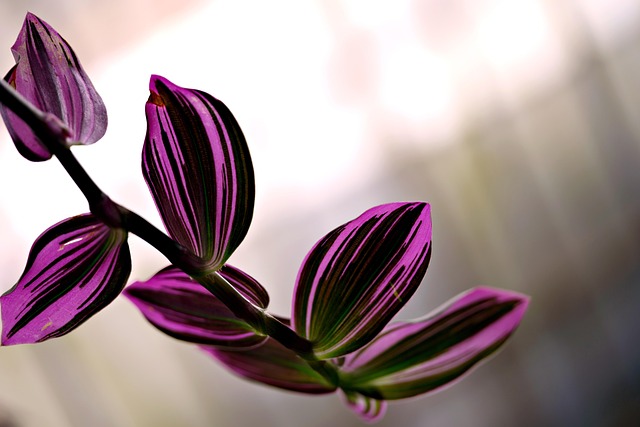
How do you care for tradescantia?
Light: Wants bright, indirect light — sensitive to both extremes. Too much direct sun causes burns, too little causes stretching. Water: Water when the top 1-2 inches of soil feel dry. Adjust with the seasons — less in winter, more in summer. Soil: Needs well-draining soil — add perlite or orchid bark to a standard potting mix. Good drainage is critical to prevent root rot.
About Tradescantia
Tradescantia (Tradescantia zebrina) care guide from the PlantGrail knowledge base. Covers symptom diagnosis, disease treatment, pest control and watering. Compare the symptoms and growing conditions before choosing a care step.
Tradescantia care at a glance
- Light
- Bright indirect. Wants bright, indirect light — sensitive to both extremes. Too much direct sun causes burns, too little causes stretching. Grow lights: Thrives under artificial grow lights (LED or fluorescent, 10-12 hours/day). A great option if your space lacks natural light.
- Watering
- Water when the top 1-2 inches of soil feel dry. Adjust with the seasons — less in winter, more in summer.
- Humidity
- Loves higher humidity (60%+). If your air is dry, group it with other plants, use a pebble tray, or run a humidifier nearby.
- Temperature
- Prefers moderate temperatures (60-80°F). Keep away from radiators and intense afternoon sun windows.
- Soil
- Needs well-draining soil — add perlite or orchid bark to a standard potting mix. Good drainage is critical to prevent root rot.
- Difficulty
- Moderate
Common Tradescantia problems, answered
-
Why Does Tradescantia Droop? Water, Roots or Low Light
A drooping tradescantia is usually short of water, or its roots are failing in mix that stays wet. Long, bare stems that flop in low light are a third cause, and trailing stems that simply hang over the pot edge are normal for inch plants.
-
Tradescantia Leaves Turning Pale Green or Yellow: Causes
Tradescantia leaves that fade to pale green have usually lost colour in low light, or in strong sun in a hot window. Leaves that turn properly yellow point to wet mix and failing roots, or to a pot-bound plant short of nutrients. Some cultivars are pale green or chartreuse by nature.
Related articles
Get the Plant Mortality Checklist
Check moisture, roots and recent care changes before choosing a treatment. A practical checklist to keep.
Your checklist is ready!
We also sent it to your inbox. Check your email for the full download.
Open the ChecklistFree. No spam. Unsubscribe anytime.