Bird of paradise
Strelitzia reginae
Also known as: crane flower, bird's tongue flower, orange bird of paradise, giant bird of paradise, white bird of paradise, Strelitzia nicolai

How do you care for a bird of paradise?
Light: Full sun or the brightest window indoors; mature plants need nearly full sun in summer and as much light as possible in winter to bloom. S. nicolai prefers bright, indirect light. Water: Water thoroughly, then let the mix dry slightly. Water freely in spring and summer and keep it drier in winter. It is toxic to cats and dogs, so keep it out of their reach.
About Bird of paradise
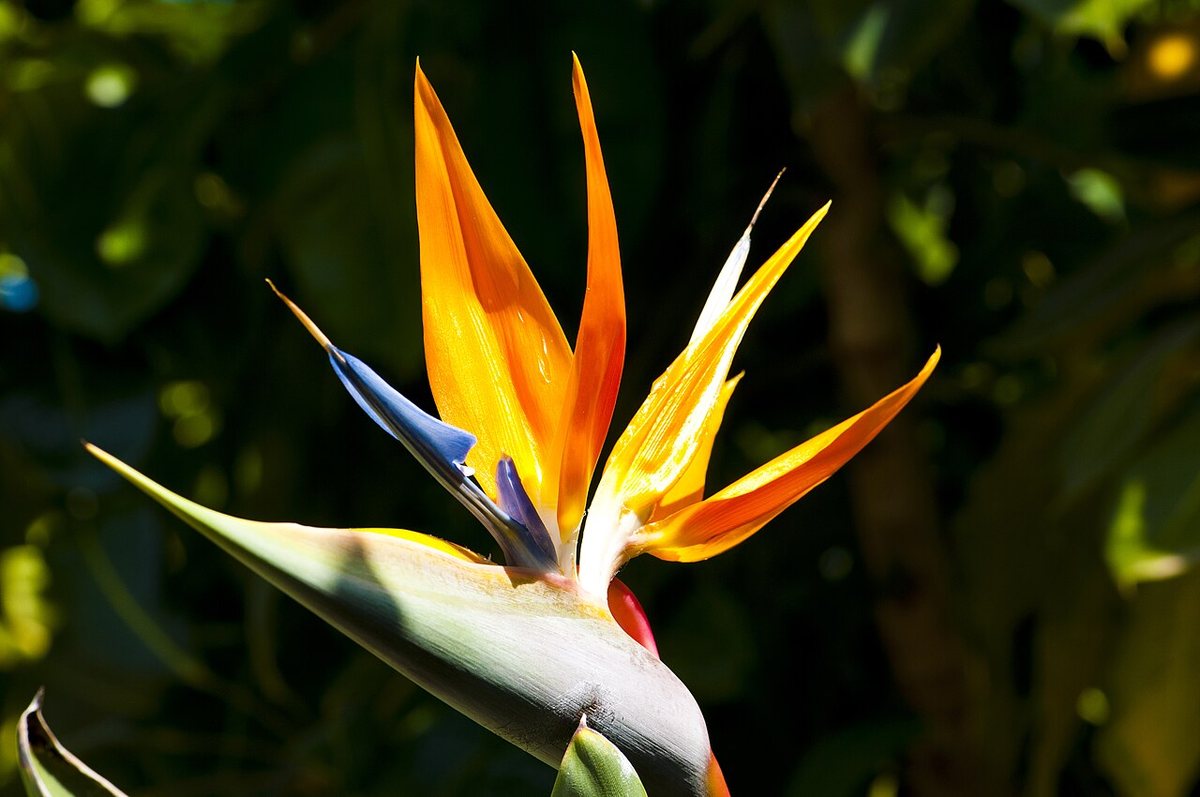
Bird of paradise (Strelitzia reginae) is a clumping evergreen from South Africa, named for its orange and blue flowers that open one at a time from a beak-like sheath. It usually reaches 0.9–1.5 m (3–5 ft) tall and wide, while the white or giant bird of paradise (S. nicolai), sold mainly for its banana-like leaves, can reach 6–9 m (20–30 ft) in the wild. Clemson Extension recommends full sun or a bright south-facing window, 18–21 °C (65–70 °F) by day, and letting the mix dry slightly between thorough waterings; Wisconsin Extension says too little light is the most common reason mature plants do not bloom. The ASPCA lists bird of paradise flower as toxic to cats, dogs and horses.
Bird of paradise quick facts
- Botanical name
- Strelitzia reginae
- Family
- Strelitziaceae (traveller's palm family)
- Native to
- South Africa (Cape Provinces to KwaZulu-Natal)
- Light
- Full sun or the brightest window indoors; mature plants need nearly full sun in summer and as much light as possible in winter to bloom. S. nicolai prefers bright, indirect light.
- Water
- Water thoroughly, then let the mix dry slightly. Water freely in spring and summer and keep it drier in winter.
- Temperature and humidity
- 18–21 °C (65–70 °F) by day and 10–13 °C (50–55 °F) at night, with about 60% relative humidity. Bring plants in from outdoors before temperatures drop below 16 °C (60 °F).
- Flowering
- Plants bloom more freely when pot-bound, and overfeeding gives lush leaves with few flowers. Divisions flower in two to three years; seed-grown plants take four to 10 years or more.
- Size
- 0.9–1.5 m (3–5 ft) tall and wide, with leaves about 15 cm (6 in) wide and 46 cm (18 in) long on long stalks. S. nicolai leaves reach 2 m (6.5 ft) long.
- Propagation
- Division of the rhizomes in early spring, or fresh seed.
- Cats and dogs
- Toxic. The ASPCA lists bird of paradise flower (Strelitzia reginae) as toxic to dogs, cats and horses. It names GI irritants, causing mild nausea, vomiting and drowsiness, mainly from the fruit and seeds, and warns not to confuse it with Caesalpinia (Poinciana) gilliesii, also called bird of paradise, which is more toxic. NC State lists S. nicolai as toxic to people and pets and notes it can irritate skin. Source: ASPCA
Sources: NC State Extension: Strelitzia reginae; NC State Extension: Strelitzia nicolai; Clemson Extension HGIC 1562: Bird of Paradise; University of Wisconsin–Madison Extension: Bird of Paradise, Strelitzia reginae; ASPCA: Bird of Paradise Flower
Bird of paradise guides
- Strelitzia reginae vs nicolai: orange vs white bird of paradise indoors
- Bird of paradise care indoors (Strelitzia reginae and S. nicolai): light, water, flowering and problems
- Large indoor plants: 18 tall floor plants by light level, size indoors and pet safety
- Plants for south-facing windows: 10 houseplants for direct sun, and how to move them without scorch
Bird Of Paradise care at a glance
- Light
- Bright indirect. Wants bright, indirect light — sensitive to both extremes. Too much direct sun causes burns, too little causes stretching. Grow lights: Thrives under artificial grow lights (LED or fluorescent, 10-12 hours/day). A great option if your space lacks natural light.
- Watering
- Let the soil dry out significantly between waterings — this plant is very sensitive to overwatering. When in doubt, wait another day.
- Humidity
- Loves higher humidity (60%+). If your air is dry, group it with other plants, use a pebble tray, or run a humidifier nearby.
- Temperature
- Prefers moderate temperatures (60-80°F). Keep away from radiators and intense afternoon sun windows.
- Soil
- Needs well-draining soil — add perlite or orchid bark to a standard potting mix. Good drainage is critical to prevent root rot.
- Pets
- The ASPCA lists bird of paradise flower (Strelitzia reginae) as toxic to dogs, cats and horses. It names GI irritants, causing mild nausea, vomiting and drowsiness, mainly from the fruit and seeds, and warns not to confuse it with Caesalpinia (Poinciana) gilliesii, also called bird of paradise, which is more toxic. NC State lists S. nicolai as toxic to people and pets and notes it can irritate skin.
- Difficulty
- Moderate
Common bird of paradise problems, answered
-
Bird of Paradise Root Rot: How to Check, Trim and Repot
Bird of paradise is usually trouble-free, but root rot can follow overwatering or poorly drained mix. Yellowing leaves and wilting while the mix is still wet point to roots and rhizomes that have started to decay.
-
Bird of Paradise Curling Leaves: Thirst, Dry Air or Pests?
Bird of paradise leaves are naturally concave, so a gentle cup is normal. Leaves that roll in tightly, curl along the edges or turn brittle usually point to a dry root zone, dry air or a cold draft. Curled, distorted new growth with sticky residue or insects points to sap-feeding pests.
-
Bird of Paradise Drooping: Dry Mix, Wet Roots or Cold?
A drooping bird of paradise is usually short of water in its leaves, either because the mix has dried out or because roots in wet mix have rotted. Cold, a recent division or repot, and long stalks stretching in poor light are the other causes to check.
-
Bird of Paradise Brown Spots: Leaf Spot, Scorch or Scale?
Brown spots on a bird of paradise are most often fungal leaf spot, which NC State Extension lists for this plant, or scorch after a sudden move into strong sun. Scale insects, spider mites, cold and a dry root zone also leave brown marks. Spot shape, texture and position separate them.
-
Bird of Paradise Not Blooming: Age, Light, Pot or Feeding?
A bird of paradise that will not flower is usually too young, in too little light, or recovering from being divided or repotted into a large pot. Too much fertilizer, too little feeding and a winter without cooler nights can also hold flowers back.
-
Overwatering Bird of Paradise: Signs and Seasonal Fixes
An overwatered bird of paradise yellows or droops while its large pot is still wet below the surface. Strelitzia wants generous water while it grows and much less in winter. Most overwatering comes from keeping the summer routine going through the cool, dim months, or from a pot that drains slowly.
-
Bird of Paradise Yellow Leaves: Old Leaves or Rot at the Base?
Yellow leaves on a bird of paradise come from mix that is too wet or too dry, root or crown rot, cold, hunger in a crowded pot, or simple age. When the base of the plant is yellow, look first at whether it is the oldest outer leaves fading, which is normal, or the stalks and crown going soft at the soil line, which points to rot.
-
Bird of Paradise Brown Tips: Dry Air, Watering or Salts?
Brown, crisp leaf tips on an indoor bird of paradise usually come from dry indoor air or uneven watering, with salt buildup from fertilizer as the next suspect. Clean splits between the veins are a normal feature of these banana-like leaves, not damage. Soft, dark browning with a wet pot points to the roots instead.
Questions about Bird of paradise
Is bird of paradise toxic to cats and dogs?
The ASPCA lists bird of paradise flower (Strelitzia reginae) as toxic to dogs, cats and horses. It names GI irritants, causing mild nausea, vomiting and drowsiness, mainly from the fruit and seeds, and warns not to confuse it with Caesalpinia (Poinciana) gilliesii, also called bird of paradise, which is more toxic. NC State lists S. nicolai as toxic to people and pets and notes it can irritate skin.
Get the Plant Mortality Checklist
Check moisture, roots and recent care changes before choosing a treatment. A practical checklist to keep.
Your checklist is ready!
We also sent it to your inbox. Check your email for the full download.
Open the ChecklistFree. No spam. Unsubscribe anytime.