Alocasia
Alocasia
Also known as: elephant's ear, African mask, Alocasia amazonica, Alocasia x mortfontanensis
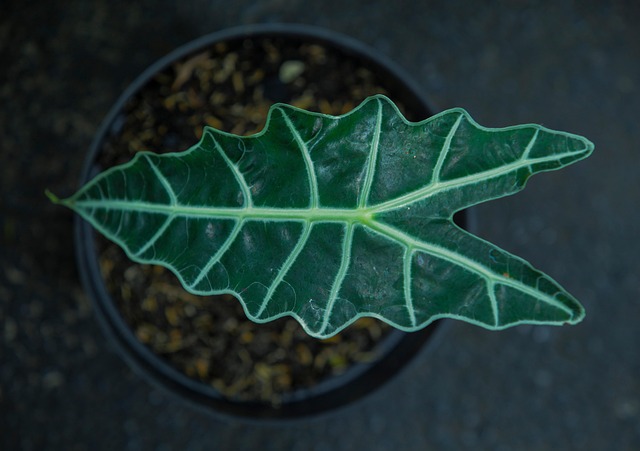
How do you care for an Alocasia?
Light: Bright, indirect light or dappled shade. Direct sun can scorch the leaves. Water: Keep moist but well drained, and water less in winter. Overwatering causes root rot, leaf spots and yellow leaves. It is toxic to cats and dogs, so keep it out of their reach.
About Alocasia
Alocasia is a genus of about 80 tuberous aroids from tropical and subtropical Asia and eastern Australia, grown for heart- or arrow-shaped leaves 30–90 cm (12–36 in) long with prominent veins. The houseplant sold as African mask or Amazonica is Alocasia x mortfontanensis (formerly A. x amazonica), which grows 30 cm–1.2 m (1–4 ft) tall. NC State Extension recommends bright, indirect light, moist but well-drained, humus-rich soil, temperatures above 16 °C (60 °F) and less water in winter. It is toxic to cats and dogs.
Alocasia quick facts
- Botanical name
- Alocasia
- Family
- Araceae (arum family)
- Native to
- Tropical and subtropical Asia to eastern Australia
- Light
- Bright, indirect light or dappled shade. Direct sun can scorch the leaves.
- Water
- Keep moist but well drained, and water less in winter. Overwatering causes root rot, leaf spots and yellow leaves.
- Temperature
- Grows best at 20–25 °C (68–77 °F). Keep African mask above 16 °C (60 °F).
- Size
- African mask grows 30 cm–1.2 m (1–4 ft) tall indoors. In the tropics some species reach 3 m (10 ft).
- Pests
- Prone to spider mites; also check for aphids and mealybugs.
- Propagation
- Division of offsets.
- Cats and dogs
- Toxic. Toxic to dogs and cats. The ASPCA lists insoluble calcium oxalates for Alocasia species, causing oral irritation, pain and swelling of the mouth, drooling, vomiting and difficulty swallowing. Source: ASPCA
Sources: NC State Extension: Alocasia; NC State Extension: Alocasia x mortfontanensis; ASPCA: Alocasia
Alocasia care at a glance
- Light
- Medium to bright indirect. Tolerates lower light but grows best in medium to bright indirect light. Can get leggy without enough light. Grow lights: Thrives under artificial grow lights (LED or fluorescent, 10-12 hours/day). A great option if your space lacks natural light.
- Watering
- Let the soil dry out significantly between waterings — this plant is very sensitive to overwatering. When in doubt, wait another day.
- Humidity
- Loves higher humidity (60%+). If your air is dry, group it with other plants, use a pebble tray, or run a humidifier nearby.
- Temperature
- Sensitive to cold — keep above 55°F (13°C). Avoid placing near drafty windows or exterior doors in winter.
- Soil
- Needs well-draining soil — add perlite or orchid bark to a standard potting mix. Good drainage is critical to prevent root rot.
- Pets
- Toxic to dogs and cats. The ASPCA lists insoluble calcium oxalates for Alocasia species, causing oral irritation, pain and swelling of the mouth, drooling, vomiting and difficulty swallowing.
- Difficulty
- Intermediate
Common Alocasia problems, answered
-
Alocasia Humidity: The Practical Indoor Range and Setup
Alocasia likes medium to high humidity while it is growing. Most homes fall well short of that in winter. Dry air browns the leaf edges and favours spider mites, but wet roots, cold and low light can cause similar damage.
-
Alocasia Propagation: Divide Pups and Pot Up Corms
Alocasia is propagated by division, not by leaf or stem cuttings. Separate offsets (pups) that have their own roots, divide the fleshy rhizome, or pot up the small corms found in the root ball.
-
Alocasia Brown Spots: Wet Roots, Leaf Spot, or Scorch?
Brown spots on Alocasia usually come from wet roots, a fungal or bacterial leaf spot, sun scorch, dry air at the leaf edges, or heavy spider mite feeding. The shape, edge and position of the spots tell them apart.
-
Alocasia Root Rot: Tell It From Dormancy, Then Act
Alocasia root rot means wet mix plus roots that are brown to black and mushy, often with a soft base. Winter dormancy looks similar from above, because leaves die back, but a resting plant has dryish mix, firm roots and a firm corm. The RHS warns that overwatering, especially while dormant, rots the roots.
-
Alocasia Brown Tips: Dry Air, Watering or Silvering Pests?
Brown, drying tips on Alocasia most often come from dry air or uneven watering, with salt buildup and cold draughts close behind. Tips that dry out after the leaf turns dull or silvery-speckled point to spider mites or thrips feeding, which needs a pest check, not more humidity.
-
Alocasia Overwatering: Signs, Thirst Check and Fixes
An overwatered Alocasia yellows or droops while the top 5 cm (2 in) of its mix is still damp, often in autumn or winter when growth slows. The RHS says to water only once that top layer is dry in the growing season, and to cut watering to a minimum while the plant rests. Alocasias want humid air, not a wet pot.
-
Thrips on Alocasia: Damage Signs and Treating Moss or LECA
Thrips on an alocasia leave pale stippling that turns silvery or bronze, with tiny black tar-like specks of excrement, often near the midrib and on new leaves. Their non-feeding pupal stages can drop into the growing medium, so moss, LECA or soil can carry the next generation even after the leaves are clean.
Related articles
Questions about Alocasia
Is Alocasia toxic to cats and dogs?
Toxic to dogs and cats. The ASPCA lists insoluble calcium oxalates for Alocasia species, causing oral irritation, pain and swelling of the mouth, drooling, vomiting and difficulty swallowing.
Get the Plant Mortality Checklist
Check moisture, roots and recent care changes before choosing a treatment. A practical checklist to keep.
Your checklist is ready!
We also sent it to your inbox. Check your email for the full download.
Open the ChecklistFree. No spam. Unsubscribe anytime.