Philodendron
Philodendron
Also known as: heartleaf philodendron, Philodendron hederaceum, philodendron selloum, tree philodendron
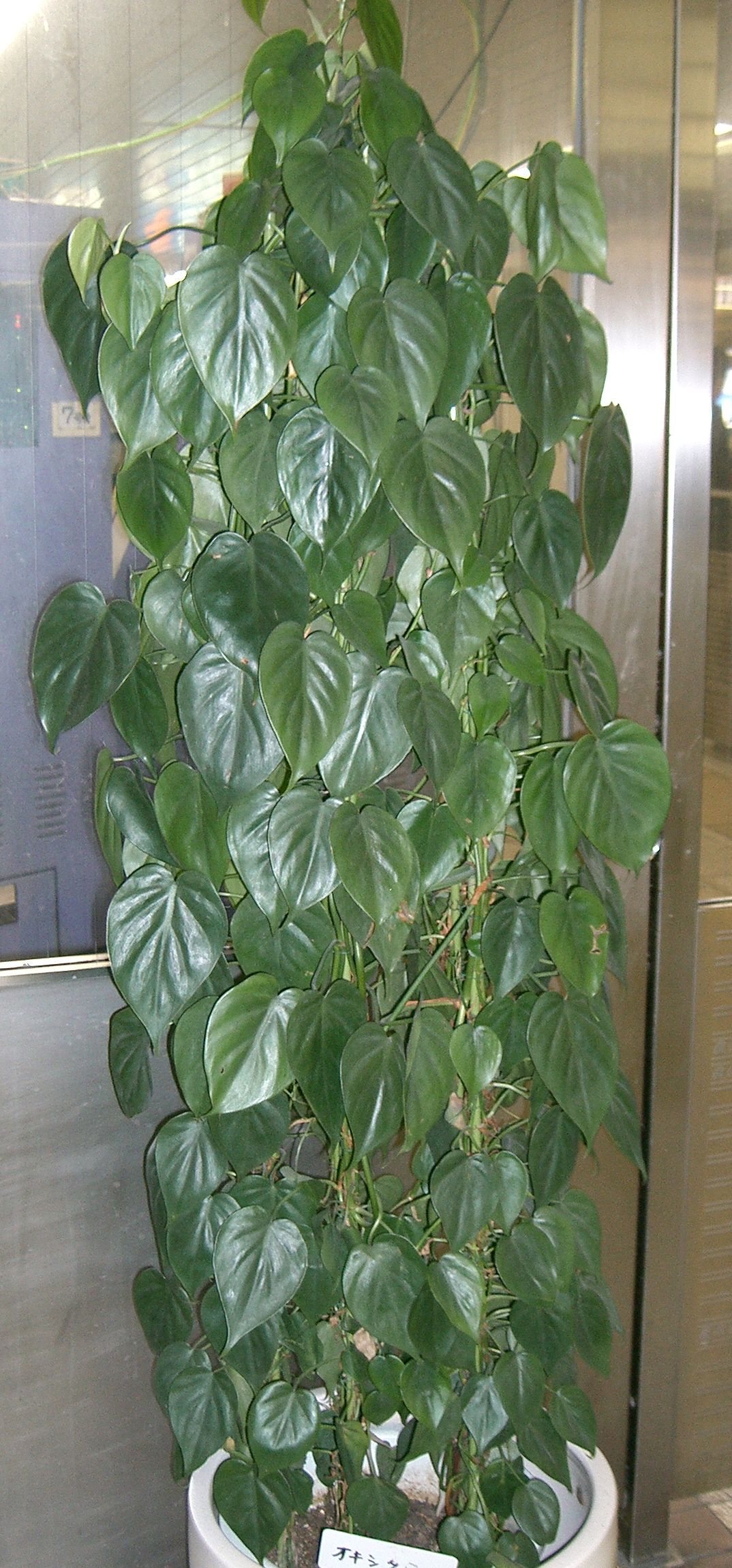

How do you care for a Philodendron?
Light: Bright, indirect light; direct sun scorches leaves. Heartleaf philodendron survives long periods in extremely low light. Water: Moist, well-drained soil high in organic matter. It is toxic to cats and dogs, so keep it out of their reach.
About Philodendron
Philodendron is a genus of more than 600 aroids from tropical Central and South America. NC State Extension divides them into climbing types, such as heartleaf philodendron (P. hederaceum), and self-heading types, such as the tree philodendron (P. bipinnatifidum, sold as selloum). Most prefer bright, indirect light, 18–29 °C (65–85 °F) and moist, well-drained soil. They are toxic to cats and dogs.
Philodendron quick facts
- Botanical name
- Philodendron
- Family
- Araceae (arum family)
- Native to
- Tropical forests of Central and South America
- Light
- Bright, indirect light; direct sun scorches leaves. Heartleaf philodendron survives long periods in extremely low light.
- Water
- Moist, well-drained soil high in organic matter.
- Temperature
- 18–29 °C (65–85 °F); very sensitive to cold drafts.
- Types
- Climbing (P. hederaceum, P. erubescens) and self-heading (P. bipinnatifidum, 'Birkin').
- Propagation
- Stem cuttings or layering.
- Cats and dogs
- Toxic. Toxic to dogs and cats. The ASPCA lists insoluble calcium oxalates for heartleaf and split-leaf philodendron, causing oral pain, drooling, vomiting and difficulty swallowing. Source: ASPCA
Sources: NC State Extension: Philodendron; NC State Extension: Philodendron hederaceum; ASPCA: Heartleaf Philodendron
Philodendron guides
- Philodendron varieties: 13 types compared, from heartleaf and Brasil to Pink Princess and selloum
- Philodendron care: light, watering and problems for climbing and self-heading types
- Pothos vs philodendron: how to tell them apart, and how their care differs
- Philodendron vs rubber plant: how they differ in growth, light, watering and pet safety
Philodendron care at a glance
- Light
- Bright indirect. Wants bright, indirect light — sensitive to both extremes. Too much direct sun causes burns, too little causes stretching. Grow lights: Thrives under artificial grow lights (LED or fluorescent, 10-12 hours/day). A great option if your space lacks natural light.
- Watering
- Let the soil dry out significantly between waterings — this plant is very sensitive to overwatering. When in doubt, wait another day.
- Humidity
- Loves higher humidity (60%+). If your air is dry, group it with other plants, use a pebble tray, or run a humidifier nearby.
- Temperature
- Sensitive to cold — keep above 55°F (13°C). Avoid placing near drafty windows or exterior doors in winter.
- Soil
- Needs well-draining soil — add perlite or orchid bark to a standard potting mix. Good drainage is critical to prevent root rot.
- Pets
- Toxic to dogs and cats. The ASPCA lists insoluble calcium oxalates for heartleaf and split-leaf philodendron, causing oral pain, drooling, vomiting and difficulty swallowing.
- Difficulty
- Moderate
Common Philodendron problems, answered
-
Philodendron Yellow Leaves: Overwatering, Light or Hunger?
Yellow lower leaves on a philodendron usually point to overwatering or too little light; Clemson Extension names both. Other causes are a nutrient shortage, a cold spell, a dry spell, or sap-feeding pests. One old leaf yellowing on a healthy plant is normal.
-
Philodendron Nutrient Deficiency: Read the Leaf Pattern
A philodendron short of nutrients usually shows it in a pattern: pale, smaller leaves for nitrogen, a V-shaped yellow band on older leaves for magnesium, brown margins on older leaves for potassium, or twisted new leaves for calcium. Wet roots, low light and salt buildup can produce look-alike symptoms, so rule those out first.
-
Philodendron New Leaf Stuck: Humidity, Moisture, What to Do
A philodendron leaf that stays wrapped is usually held by a protective sheath that dried and stiffened before the leaf finished expanding. Dry air, a root zone allowed to dry hard, weak light, and nutrient problems that distort new growth are the causes to check.
-
Is Philodendron Toxic to Cats, Dogs and People?
Philodendrons are toxic to cats, dogs and people. All parts contain insoluble calcium oxalate crystals that cause immediate mouth pain, swelling, drooling, vomiting and difficulty swallowing; the sap can also irritate skin and eyes. NC State rates the poison severity as low, but swelling that affects breathing is an emergency.
-
Philodendron Brown Leaf Tips: Salts, Dry Soil or Dry Air?
Brown tips on a philodendron usually trace back to the root zone or the air: salts from fertilizer or water building up in the mix, the pot drying out too far between waterings, or very dry indoor air. Which leaves brown first, and whether the browning spreads, separates these causes.
-
Philodendron Leaf Spot: Fungal, Bacterial or Not a Disease?
Fungal leaf spots on philodendron are dry, roughly circular tan to reddish-brown or black spots that can merge into large blotches. Watery, mushy, foul-smelling spots that spread fast are more likely bacterial, which needs a stricter response. Sunburn, cold and fertilizer burn also leave spots.
-
Philodendron Light Requirements: How Much Light, Where
Philodendrons want bright, indirect or curtain-filtered light. They survive in low light, but UF/IFAS reports that 150 foot-candles (about 1,600 lux) or more is needed to keep leaf color and size, while 75 foot-candles (about 800 lux) is the tolerance floor. Direct sun burns the leaves.
-
Philodendron Brown Spots: Disease, Sunburn, Cold or Pests?
Brown spots on a philodendron come from one of five sources: fungal leaf spot, bacterial leaf spot, sunburn, cold or chemical burn, or sap-feeding pests. Root rot can also brown whole leaves from the bottom up. The spot's texture, edge and position on the leaf tell you which.
-
Thrips on Philodendron: Signs, Checks and Treatment
Thrips on a philodendron show up as pale stippling that turns silvery, yellow or bronze, with tiny black specks of excrement and sometimes crinkled new leaves. The insects are slender, under 2 mm long, and hide on leaf undersides and in unfurling leaves. Philodendron is a listed host.
-
Philodendron Spider Mites: Confirm, Rinse, Treat, Repeat
Fine pale speckling on philodendron leaves, a dull or faded look, and tiny moving dots or fine webbing on the undersides point to spider mites. They build up in dry indoor air, often in winter, and the damage usually shows before the mites do.
-
Why Are My Philodendron Leaves Curling? Water, Salts or Thrips
Philodendron leaves curl most often because the root ball has dried out, or because heavy feeding has built up salts, which Clemson Extension says makes leaf tips curl and brown. Thrips feeding on unfurling leaves can leave them permanently crinkled or curled. Twisted new leaves on hybrid philodendrons can also point to a calcium shortage.
-
Philodendron Brasil Losing Variegation: Light and Reversion
A Philodendron 'Brasil' losing its yellow-green stripe is usually short of light. NC State Extension describes 'Brasil' as having unstable variegation, so some all-green leaves and stems are normal. Green shoots are also more vigorous than striped ones and can take over if they are left.
Questions about Philodendron
Is Philodendron toxic to cats and dogs?
Toxic to dogs and cats. The ASPCA lists insoluble calcium oxalates for heartleaf and split-leaf philodendron, causing oral pain, drooling, vomiting and difficulty swallowing.
Get the Plant Mortality Checklist
Check moisture, roots and recent care changes before choosing a treatment. A practical checklist to keep.
Your checklist is ready!
We also sent it to your inbox. Check your email for the full download.
Open the ChecklistFree. No spam. Unsubscribe anytime.
Go deeper with a course
The Philodendron Rare Guide Pack is a paid PlantGrail course that covers Philodendron care in more depth than this page.
See the course