Snake plant
Dracaena trifasciata, formerly Sansevieria trifasciata
Also known as: sansevieria, mother-in-law's tongue, golden bird's nest, good luck plant
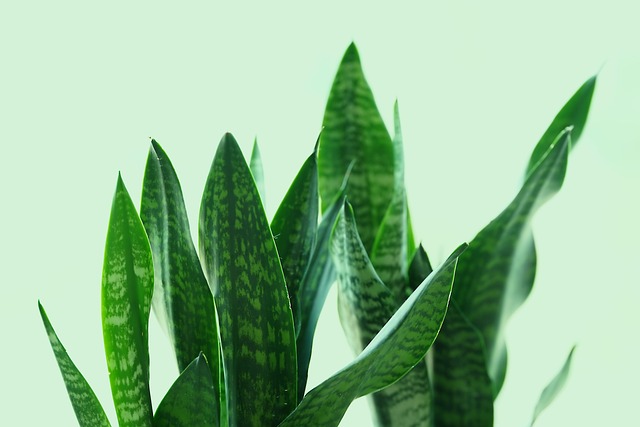
How do you care for a snake plant?
Light: Tolerates very low light; best growth in medium to bright light, with some direct sun for part of the day. Water: Let the mix dry between waterings from spring to autumn. In winter, water only every one to two months. It is toxic to cats and dogs, so keep it out of their reach.
About Snake plant
Snake plant (Dracaena trifasciata, formerly Sansevieria trifasciata) is an upright, clump-forming succulent in the asparagus family, native to West and central Africa. It tolerates very low light and dry air, but its roots rot in wet soil: NC State Extension advises letting the mix dry between waterings and watering only every one to two months in winter. It is toxic to cats and dogs.
Snake plant quick facts
- Botanical name
- Dracaena trifasciata, formerly Sansevieria trifasciata
- Family
- Asparagaceae (asparagus family)
- Native to
- West and central Africa
- Light
- Tolerates very low light; best growth in medium to bright light, with some direct sun for part of the day.
- Water
- Let the mix dry between waterings from spring to autumn. In winter, water only every one to two months.
- Size
- Stiff leaves up to 1.2 m (4 ft) long. The dwarf cultivar 'Hahnii' forms a short rosette of 6 to 12 leaves.
- Temperature
- Tolerates cool rooms down to about 10 °C (50 °F).
- Propagation
- Division or stem cuttings.
- Cats and dogs
- Toxic. Toxic to dogs and cats. The ASPCA lists saponins as the toxic principle, causing nausea, vomiting and diarrhea. Source: ASPCA
Sources: NC State Extension: Dracaena trifasciata; University of Missouri Extension: Lighting Indoor Houseplants (G6515); ASPCA: Snake Plant
Snake plant guides
- Snake plant varieties: 16 types compared, from Laurentii and Moonshine to cylindrica and whale fin
- Snake plant care (Dracaena trifasciata): light, watering, repotting and root rot rescue
- Snake plant mushy at the base: rhizome rot, what to save and when to discard
- Snake plant vs ZZ plant: how to tell them apart, and how their care differs
- Low light houseplants: 12 plants for north windows and dim rooms, with pet safety
- How often to water a snake plant: the real range, and why the mix decides
Snake Plant care at a glance
- Light
- Low to direct. Extremely tolerant of low light but prefers bright indirect. Grow lights: Does well under standard indoor lighting and grow lights. One of the easiest plants for rooms without natural light.
- Watering
- Water every 2-4 weeks. Look for: wrinkled leaves. soil must be completely dry.
- Humidity
- Tolerates 20-50% humidity — not fussy about moisture in the air. Standard home conditions are fine.
- Temperature
- Comfortable between 55-85°F. Keep away from cold drafts and heating vents.
- Soil
- Cactus or succulent mix.
- Pets
- Toxic to dogs and cats. The ASPCA lists saponins as the toxic principle, causing nausea, vomiting and diarrhea.
- Difficulty
- Beginner
Common snake plant problems, answered
-
Snake Plant Drooping: Low Light, Thirst or Root Rot?
A drooping snake plant usually has one of three problems: tall leaves flopping in low light, a dry root ball, or roots and rhizomes rotting in wet mix. A single floppy leaf is rarely serious; a whole plant leaning or collapsing points to the roots.
-
Mold on Snake Plant Soil: Check Moisture and Roots
Surface fungus on snake plant soil is usually feeding on organic material, but its presence indicates that the potting mix is staying moist longer than this drought-tolerant plant requires.
-
Snake Plant Wrinkled Leaves: Underwatering or Root Rot?
Wrinkled snake plant leaves often reflect dehydration, but roots lost to persistently wet media can create the same water-deficit symptom. Soil condition, pot weight, leaf-base texture, and root health distinguish the causes.
-
Snake Plant Propagation: Division, Offsets or Leaf Cuttings
Snake plants propagate by division, by potting up offsets, or by leaf cuttings. Division is the easiest and keeps the parent's leaf pattern. Leaf cuttings work too, but cuttings from variegated cultivars such as yellow-edged 'Laurentii' tend to produce all-green plants.
-
Snake Plant Yellow Leaves: Overwatering, Sun, Cold or Pests?
Yellow snake plant leaves most often mean too much water: the mix has stayed wet and the roots are starting to rot. Yellowing that starts at a soft leaf base is the clearest warning. Less often the cause is sun scorch, cold, or sap-feeding pests. Snake plant leaves normally live for years, so yellowing is worth investigating.
-
Snake Plant Not Growing: Normal Pace or a Real Problem?
Snake plants grow slowly even when healthy, and growth slows further in winter and in low light. A plant that has stopped growing for months in a bright, warm spot may have root trouble from wet mix.
-
Snake Plant Root Rot: Check the Roots, Cut, Repot
Snake plant root rot is caused by mix that stays wet: the roots turn brown or black and soft, and the plant leans, wobbles or yellows even though it has been watered. If firm roots remain, cut out the rot and repot in fresh, free-draining cactus compost in a snug pot.
-
Snake Plant Brown Tips: Watering, Salts, Sun or Cold?
Brown tips on a snake plant usually trace back to watering: mix left dry too long, or roots damaged by mix that stays wet. Salt build-up from fertilizer, sun scorch, cold and a damaged tip are the other common causes. Dry room air is a less likely culprit than on most houseplants, because snake plant tolerates low humidity.
-
Snake Plant Curling Leaves: Thirst, Root Rot, Thrips or Variety?
Snake plant leaves that curl or fold inward usually lack water: either the mix has been dry too long, or rotting roots in wet mix can no longer take water up. Thrips feeding on young leaves and cold damage are less common causes. Some cultivars, such as 'Twisted Sister', twist by nature.
-
Snake Plant Brown Spots: Fungal Leaf Spot or Something Else?
Brown spots on a snake plant are more often sun scorch, cold damage or rot from wet mix than a fungus. True fungal leaf spot does occur: Fusarium leaf spot starts as tiny water-soaked dots on young leaves kept wet, and anthracnose makes spreading water-soaked patches that later show black dots in rings.
-
Thrips on Snake Plant: Silvery Streaks, Specks and Treatment
Thrips on a snake plant show up as pale, silvery or speckled streaks with tiny dark specks of excrement, and young leaves that come up crinkled or curled. NC State lists banded greenhouse thrips as a snake plant pest; its larvae do most of the damage. The insects are under 2 mm long, so look for the damage first.
-
Scale on Snake Plant: Identify Fern Scale and Remove It
Small brown, tan or white bumps that stay put on a snake plant leaf are usually scale insects. NC State lists fern scale on snake plant: females are flat, brown and oyster-shell shaped, males are small, white and ridged. Soft scales such as brown soft scale also leave sticky honeydew and black sooty mould.
-
Snake Plant Gnats: What They Say About Your Watering
Gnats around a snake plant are fungus gnats breeding in potting mix that stays moist. A snake plant should dry out between waterings, so gnats are a sign the mix is wetter than this plant wants, which also puts the roots at risk of rot.
-
Mealybugs on Snake Plant: Check the Leaf Bases
White, cottony tufts tucked between snake plant leaves, low in the leaf bases or at the soil line, are mealybugs. NC State lists the longtailed mealybug as a common snake plant pest, and this species tends to hide in leaf whorls.
-
Repotting a Snake Plant Without the Stress: When and How
Snake plants need repotting only when roots and leaves fill the pot or start to bend or crack it. Most repotting stress comes from a pot that is too big, a mix that stays wet, or watering too soon and too often afterwards.
-
Overwatered Snake Plant: Signs and What to Do Before Rot
An overwatered snake plant sits in mix that stays wet for days, and may show soft or yellowing leaves, fungus gnats or a sour smell. Caught while the roots and leaf bases are still firm, it usually needs only to dry out and be watered less; once roots or the rhizome turn soft, it has become root rot.
Questions about Snake plant
Is snake plant toxic to cats and dogs?
Toxic to dogs and cats. The ASPCA lists saponins as the toxic principle, causing nausea, vomiting and diarrhea.
How fast does snake plant grow?
Snake plant grows at a slow rate indoors. Typical mature size: 1-3 ft indoors.
How do I propagate snake plant?
Propagate snake plant by leaf cutting or division.
Is snake plant easy to care for?
Snake plant is rated beginner difficulty. It is a good choice for beginners.
Get the Plant Mortality Checklist
Check moisture, roots and recent care changes before choosing a treatment. A practical checklist to keep.
Your checklist is ready!
We also sent it to your inbox. Check your email for the full download.
Open the ChecklistFree. No spam. Unsubscribe anytime.
Go deeper with a course
The Snake Plant Matrix Pack is a paid PlantGrail course that covers Snake Plant care in more depth than this page.
See the course